
|
Getting your Trinity Audio player ready...
|
The secret is contrast with control: let a few antique pieces shine, then balance them with clean modern shapes and a simple color palette. When you keep the room practical and uncluttered, the mix looks curated—not old-fashioned.
1) Start with one “hero antique”
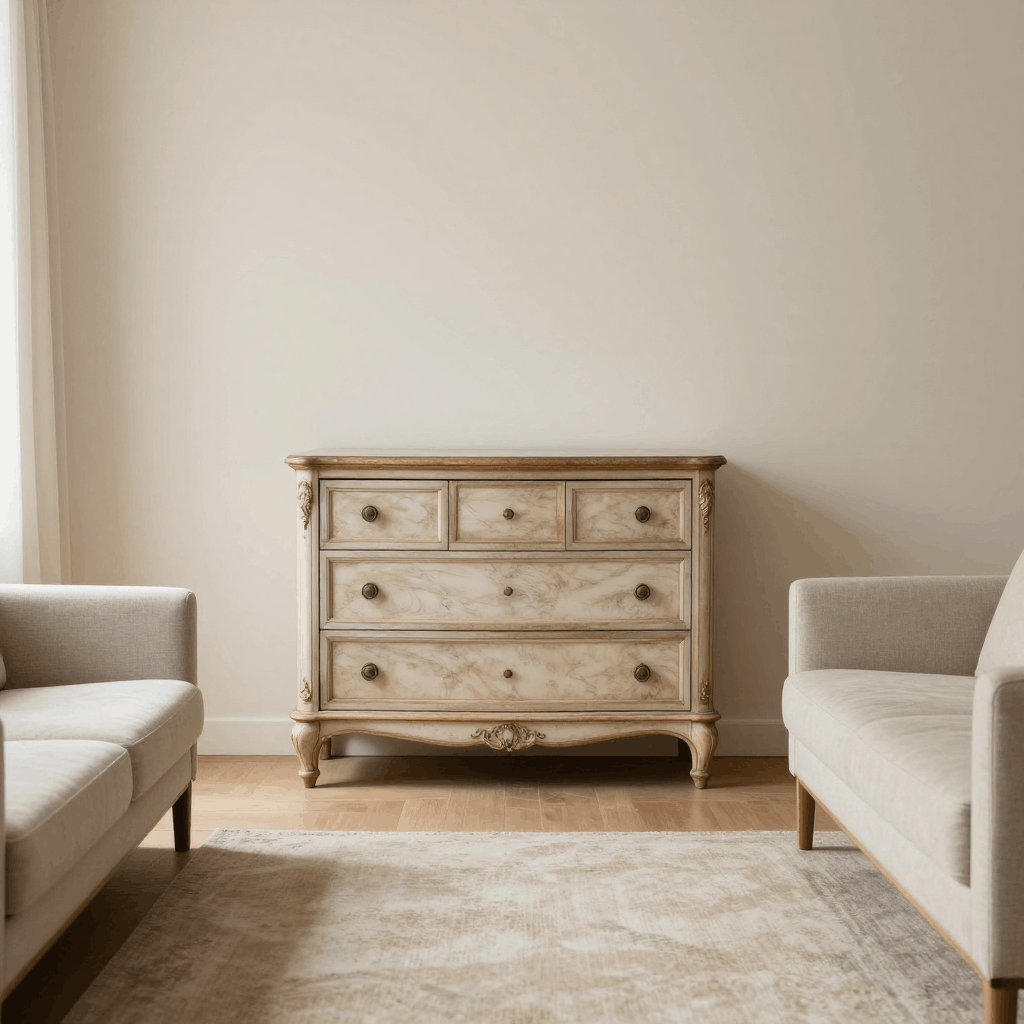
Pick one statement piece (like a carved dresser, vintage mirror, or solid wood sideboard) and make it the focal point. Too many big antiques in one room can start to feel like a museum.
2) Pair ornate with simple
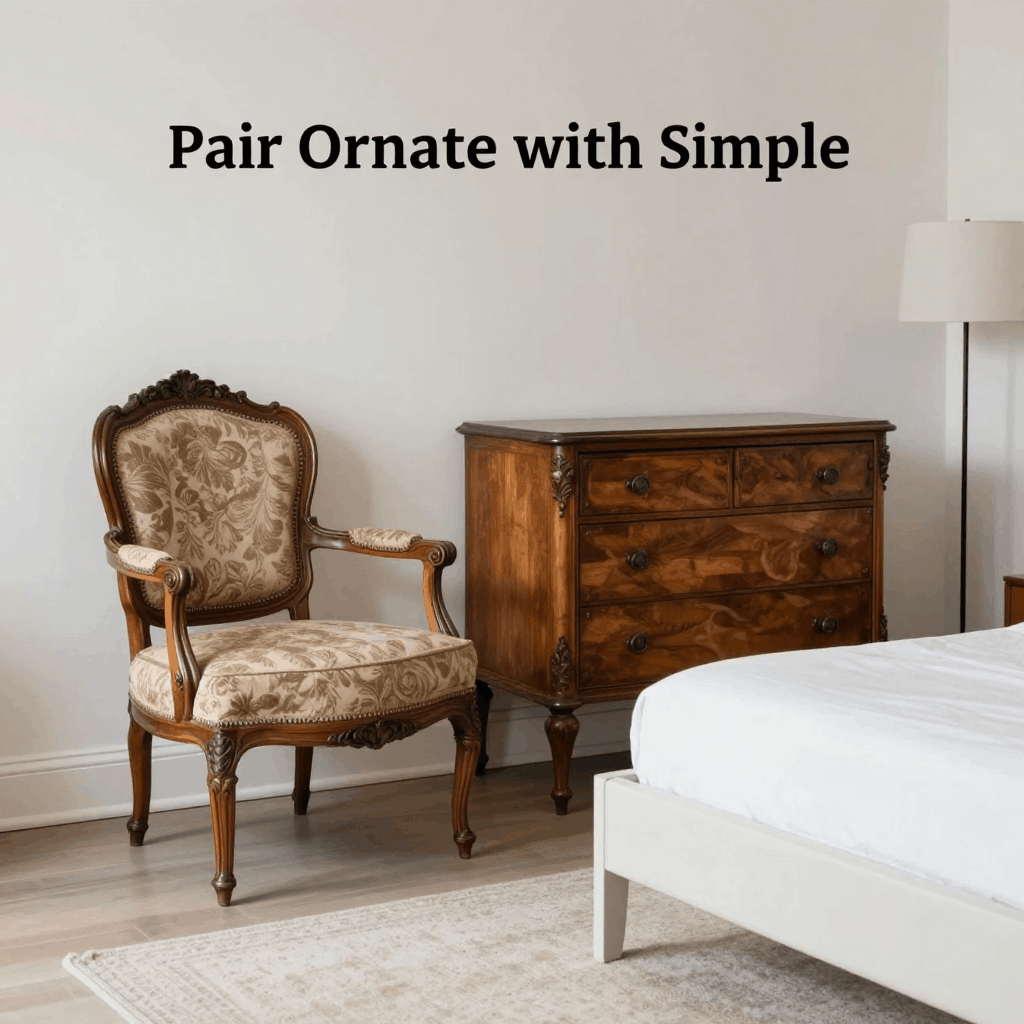
Antiques often have curves, carving, and detail—so place them next to modern furniture with straight lines. This contrast makes both styles look intentional, not mismatched.
3) Use a calm, consistent color palette
Choose a neutral base (white, cream, warm gray) and repeat 1–2 accent colors across the room. A shared palette is one of the easiest ways to make old + new feel like one design story.
4) Repeat one finish to “connect” the room
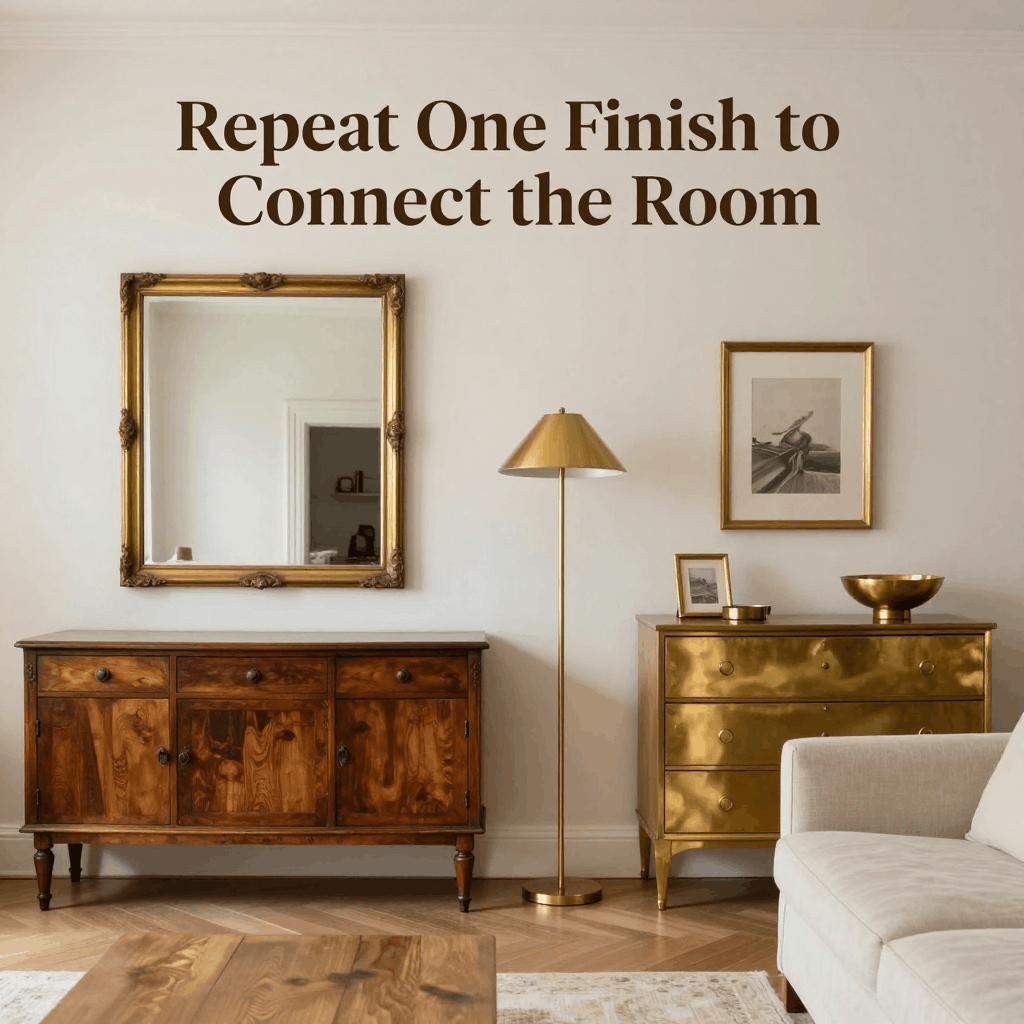
Pick one unifying finish—like matte black, brass, or warm wood—and repeat it in a few small places (frames, lamp base, hardware). Repeating finishes quietly ties antiques and modern pieces together.
5) Modern lighting is your fastest “refresh”
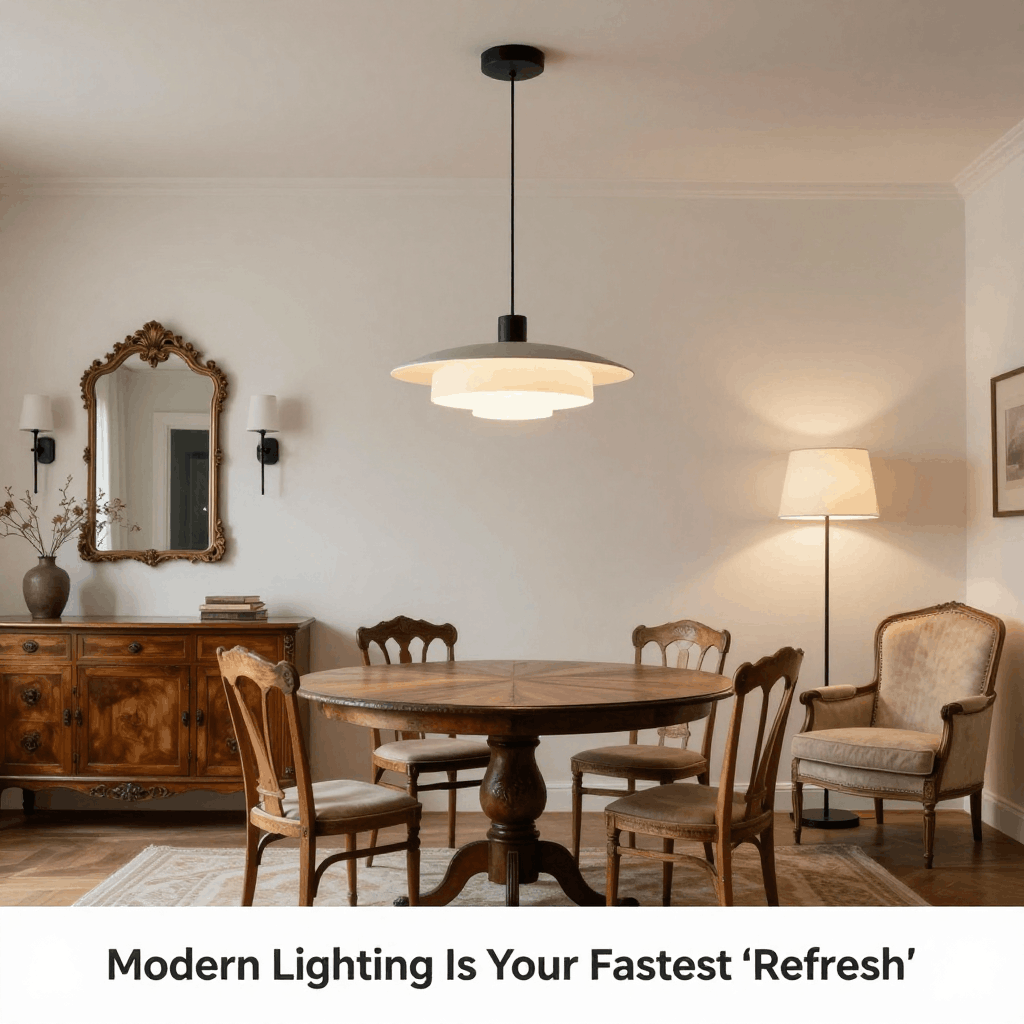
A modern lamp, a clean-lined pendant, or simple wall sconces can instantly update a room that has older furniture. Lighting is a modern touch that makes antiques feel current.
6) Keep surfaces edited (less clutter = less dated)
Antique rooms look outdated mainly when every surface is filled with small items. Give antiques breathing room—style with just a few objects (tray + book + vase) instead of many little knickknacks.
7) Mix art styles on purpose
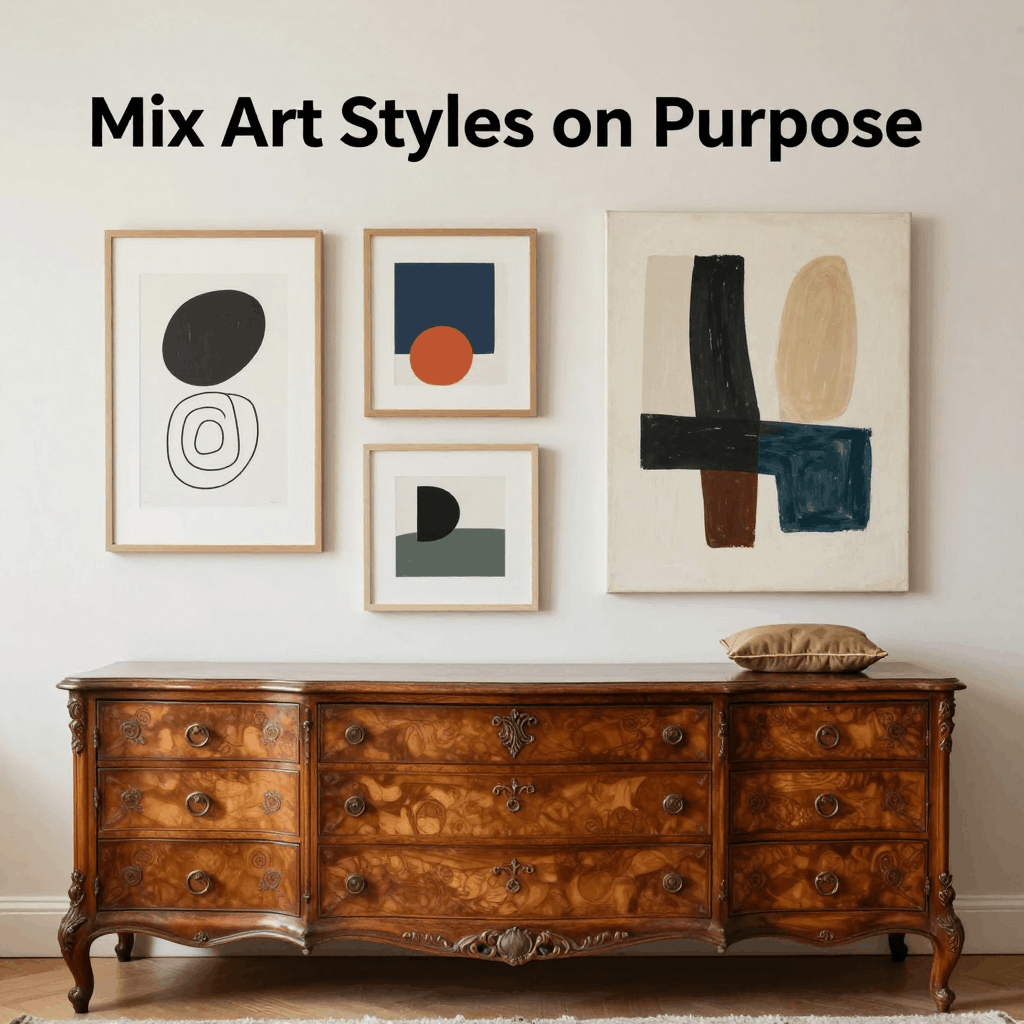
Modern art (even simple abstract prints) looks great above antique furniture and stops the space from feeling “stuck in one era.” It’s an easy way to create that old-meets-new look.
8) Use textiles to soften the mix
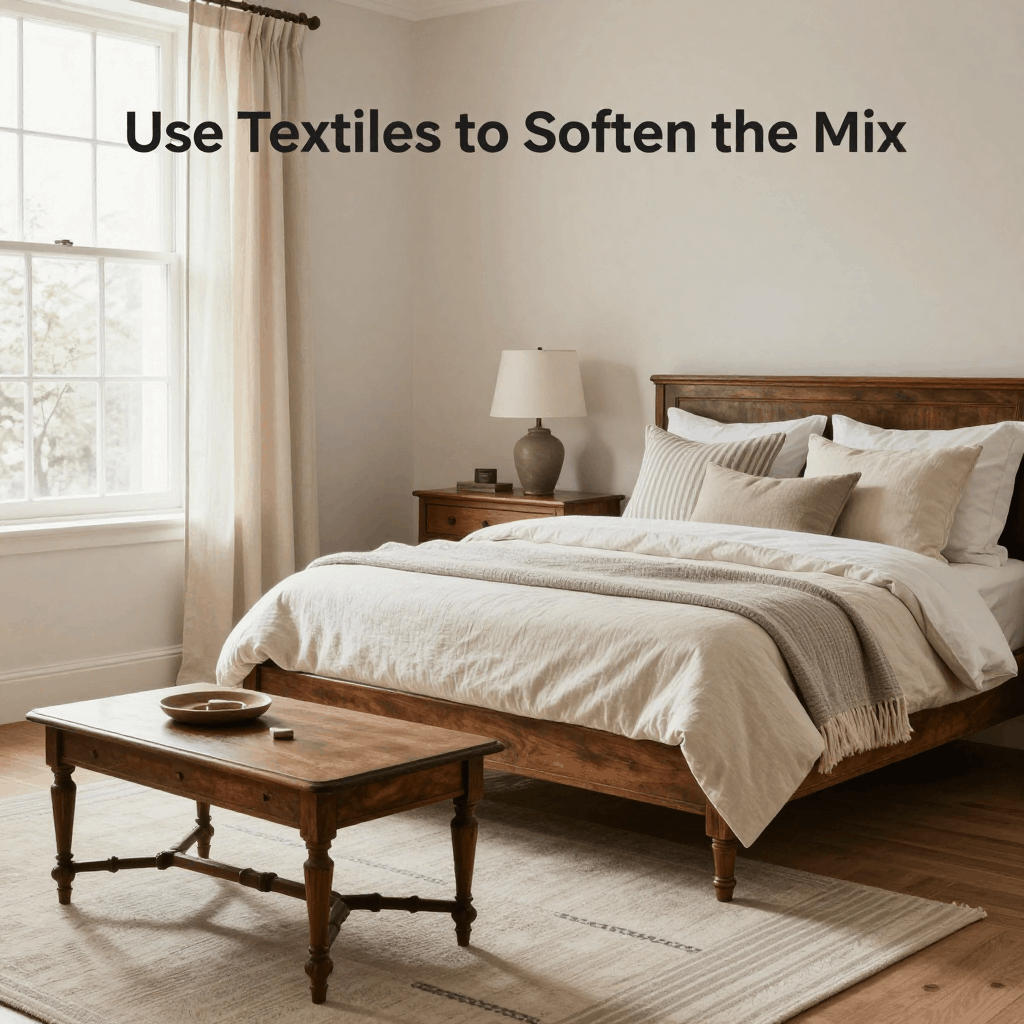
A modern rug can ground antique pieces, and modern curtains can clean up the overall look. Textiles are low-risk changes that make the room feel fresh quickly.